
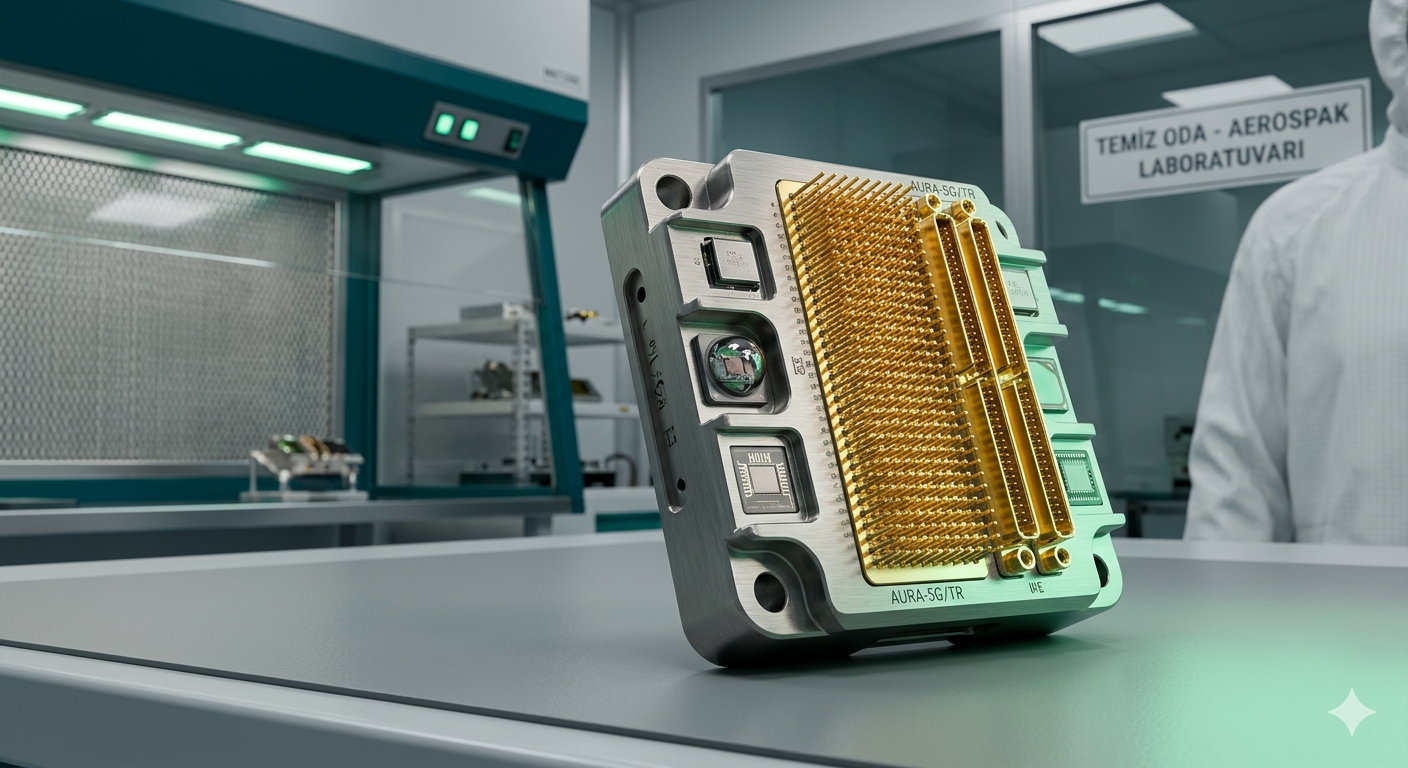
Electronic Board (PCB) Design and Engineering Processes
Printed Circuit Boards (PCBs), the heart of modern electronic devices, are not just boards on which components are placed. Noiseless signal transmission, high-frequency operating conditions, and electrical stability necessitate a professional design process. As Novenix Technology, in light of the experiences we have gained in projects we have realized for defense, aerospace, and industrial sectors, we have compiled the elements that must be considered in a successful PCB design.
1. Schematic Design and Library Accuracy
The basis of a successful PCB design relies on correct schematic drawing and error-free component libraries. In the schematic design phase, the circuit diagram should be prepared in an understandable and hierarchical order. Pin definitions of the integrated circuits used, footprint dimensions, and recommendations in the manufacturer's datasheet must be followed to the letter. Using incorrect footprints leads to assembly errors in the production phase and high-cost revisions. To get support on this, you can review our Electronic Board Design service.
2. Layer Count and Stack-Up Planning
To preserve signal integrity and meet Electromagnetic Compatibility (EMC) requirements, the layer stack-up must be correctly planned. In multi-layer boards, the distance of signal tracks to reference planes (Ground or Power) is vital for impedance control. Symmetrical placement of power planes and ground layers prevents the board from warping after production.
3. Power Distribution and Thermal Management
The width of traces carrying high current must be calculated according to the amount of current and the permitted temperature rise. Thermal vias must be placed under heating components (microprocessors, power ICs, etc.) to transfer heat to other layers and heat sinks. Power lines and signal lines must be physically separated from each other, minimizing noise. You can get info about sourcing components from our Electronic Component Sourcing page.
4. High-Speed Signals and Signal Integrity
Lines of high-speed interfaces like DDR memory lines, USB 3.0, Ethernet, and HDMI must be drawn as differential pairs, and impedance matching (e.g., 90 ohms or 100 ohms) must be applied. Lengths of differential pairs must be equalized at a millimetric level so that signals reach the receiver at the same time (length matching).
5. Design for Manufacturing (DFM)
Before the design is finalized, the manufacturer's limits (minimum trace width, minimum hole diameter, solder mask tolerances) must be checked. Distances between pads should be kept appropriate to prevent solder bridges, and test points must be placed to facilitate testing with automated test equipment (ICT/FCT) in mass production. You can manage the process from design to mass production integrated with our SMD and THT Assembly service.
Conclusion
Professional electronic board design comes from blending theoretical knowledge with practical production experience. To get more information about high-standard projects we develop at Novenix, you can contact us and realize your projects with our expert engineering staff.